Common Lawn Fertilization Mistakes Michigan Homeowners Make
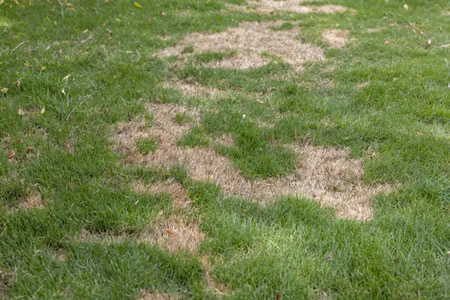
Michigan lawns look simple on the surface, but our freeze-thaw cycles, clay-heavy soils, and cool-season grasses make nutrition a balancing act. If your yard in Shelby Township looks pale, patchy, or thin even after feeding, the issue may be less about effort and more about approach. Many homeowners see better results when they pair a consistent mowing routine with a purpose-built plan, such as professional lawn fertilization, that fits our local climate and soil.
1: Misreading Michigan Seasons and Timing
Cool springs, humid summers, and quick weather swings can tempt you to fertilize at the wrong moments. Early spring pushes are common, yet heavy nitrogen applications right after thaw can spur rapid top growth before roots wake up. Late-summer heat in Shelby Township can also stress turf, so high-nitrogen feeds land poorly then.
- Spring should prioritize steady, moderate nutrition that supports roots as the soil warms.
- Summer calls for lighter, slow-release inputs that do not push soft, thirsty growth.
- Fall is the anchor season for building dense turf before winter dormancy.
When timing is off by even a few weeks, you trade long-term resilience for a short burst of color that fades fast.
2: Ignoring Soil Health and pH
Macomb County yards often sit on compacted, alkaline-leaning soils that limit nutrient uptake. Without regular soil testing, you may apply the right product at the wrong rate for your unique lawn. Imbalances in pH or deficiencies in potassium and micronutrients can make a well-fed lawn still look hungry. Healthy soil biology and structure matter, too. Aeration, organic matter, and a balanced program help roots pull in what you actually apply.
3: Using The Wrong Fertilizer For Cool-Season Grasses
Most Shelby Township lawns are Kentucky bluegrass, perennial ryegrass, or fine fescue. These cool-season species prefer steady feeding from slow-release nitrogen, plus adequate potassium for stress tolerance. Fast-release products can green up quickly, but they often require more water. The result is soft blades, shallow roots, and a lawn that struggles through late summer.
4: Overapplying Or Uneven Spreading
More fertilizer rarely equals a healthier lawn. Over-application burns turf, invites disease, and wastes product. Uneven spreads leave stripes of light and dark across the yard that can linger for months. Over-application can burn turf and harm the watershed, so accurate rates and even coverage truly matter. Professional-grade spreaders, calibrated properly, deliver consistent output across corners, curves, and tight spaces that homeowners often miss.
5: Skipping The Fall Feeding That Matters Most
In Michigan, fall feeding builds the dense, resilient turf we all want by spring. When homeowners skip late-season applications, roots miss their best chance to store nutrients. That means thinner spring growth, more weeds, and a lawn that struggles to hold color through June. Fall is also when potassium support helps turf face winter desiccation and traffic stress.
6: Watering Habits That Work Against Fertilizer
Fertilizer depends on moisture to move into the root zone. When watering is off, results suffer. Heavy blasts that run off compacted soil waste nutrients, while constant shallow sprinkles keep roots near the surface. Aim for deep, infrequent watering that matches soil conditions and recent rainfall. Overwatering also leaches nutrients past the roots, so even a good product underperforms.
7: Weed-And-Feed Confusion and Spot Treatments
Weed-and-feed can sound efficient, but the timing for pre-emergent, post-emergent, and fertilizer rarely lines up for every part of the lawn. You could end up fertilizing areas that do not need herbicide and treating weeds that would respond better to targeted care. Avoid blanket weed-and-feed across the whole lawn; customized treatments are safer for your grass and more effective on weeds. Precision spot treatments pair better with a separate, well-timed nutrition plan.
8: Forgetting Edges, Driveways, and Waterways
Granules on sidewalks, driveways, and streets wash into storm drains during the next rain. That is bad for the environment and wastes money. Sweeping any spilled fertilizer back onto the grass protects local waterways like the Clinton River and keeps nutrients working where they should. If spreader patterns overlap poorly along edges and beds, you will also get stripes that give away every pass.
9: Relying On One-Size-Fits-All Programs
Neighborhoods from the north side near Stony Creek Metropark to subdivisions closer to Utica can have very different soil and sun exposure. A cookie-cutter schedule ignores shady oaks, compacted play areas, and high-traffic zones that need a different balance of nutrients. Programs that never adjust for weather swings or recent mowing height changes usually underperform. Smart plans evolve through the season, with careful attention to your grass type, shade, and soil test trends.
10: Choosing Vendors By Price Alone
It is tempting to pick the lowest bid, but results hinge on application quality, product choice, timing, and follow-through. Look for a trusted local partner in Shelby Township who understands clay soils, lake-influenced weather shifts, and cool-season turf physiology. If you already use lawn mowing services in Michigan or professional lawn mowing for weekly cuts, ask how their nutrition plan coordinates with your schedule. A team that offers complete Michigan lawn care services can align mowing height, watering guidance, and feeding so everything supports thicker turf.
How Mowing and Fertilization Work Together
Mowing height, frequency, and clippings management all change how fertilizer performs. Cutting too short during warm spells stresses bluegrass and ryegrass, even with an ideal nutrient plan. Partnering with a reliable lawn mowing provider helps maintain a steady canopy that shades soil, reduces weed pressure, and puts nutrition to work where it counts. If you are searching for a local lawn mowing service near me, choose a team that communicates with your fertilizer provider so timing and goals stay aligned.
Local Conditions To Keep In Mind
In Shelby Township and nearby communities like Macomb Township and Sterling Heights, spring can stay cool longer than you expect. That delays soil activity even when lawns look ready. Summer humidity raises disease pressure, so pushing rapid growth with quick-release products can backfire. The right plan respects our local calendar rather than the date on a bag, and it adapts after heavy storms or drought spells.
Application Quality: Calibration and Coverage
A well-chosen product fails if it is applied unevenly. Spreaders need adjustments for product density and walking pace, otherwise rates drift across the yard. Calibrating equipment and maintaining a consistent walking pattern protects your turf from stripes, surges, and burn. Pros verify output at the start of the season and check again as temperatures and product types change.
Why Many Homeowners Prefer A Professional Plan
Time, storage, and repeated calibration add up fast. So does guessing on pH, potassium, or the best window for the fall application. A tailored plan guided by soil data, seasonal checkpoints, and local field experience removes the uncertainty. That is a big reason Shelby Township homeowners trust Master Gardener Lawn Care for ongoing care rather than one-off treatments.
When To Call A Pro In Shelby Township
Not sure whether to bring in help? Here are clear signs that a professional plan will likely pay off:
- Color fades quickly after feeding, or stripes and blotches keep showing up.
- Thin spots return each spring, even with regular watering and mowing.
- Weeds bounce back after treatments, or crabgrass sneaks in near sidewalks.
- Soil feels hard underfoot, and puddles form after short rains.
- You juggle multiple products and schedules, but still do not see steady improvement.
Working with a local lawn care partner who understands our neighborhoods, soils, and weather patterns takes the guesswork out of timing and product choice. It also helps coordinate mowing height and irrigation so each application delivers consistent, lasting results.
Ready for thicker, more resilient grass without the guesswork? Talk with our local team about a plan built around your yard and our Michigan climate, or call 586-412-8621 to get started.
Say Goodbye to Weeds and Hello to a Perfect Lawn Book Our Lawn Care Services In Shelby Township Now!