When and How to Fertilize Your Lawn in Michigan for Maximum Weed Control
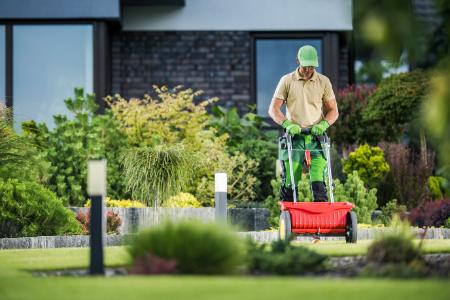
If you live in or around Washington, MI, you know Michigan lawns can look amazing one month and struggle the next. The difference is timing. A professional, season-tuned program of lawn fertilization is planned around our cool-season grasses, local weather, and weed cycles. That schedule, not guesswork, is what keeps broadleaf and grassy weeds from taking over while your grass thickens and deepens its roots. If you want a program designed for Southeast Michigan’s seasons, see our professional lawn fertilization service and how it fits into a complete weed control strategy.
Below, you’ll learn when pros in Washington Township and nearby neighborhoods like Shelby Township, Romeo, Macomb Township, and Rochester Hills time their visits, what goes into each application, and why feeding at the right moments is the single best partner to weed control.
Why Timing Matters In Michigan’s Climate
Most lawns in Washington, MI grow cool-season grasses such as Kentucky bluegrass, perennial ryegrass, and fescue. These grasses surge in spring and fall, pause during summer heat, and go dormant in winter. Fertilizer should support those rhythms. When fertilization follows the plant’s natural growth curve, nutrients feed roots when they can use them, and weeds get fewer openings to spread.
Thick, well-fed turf naturally shades soil and crowds out new weed seedlings. That density is your best long-term weed control. Feeding at the wrong times, or with the wrong source, can do the opposite by pushing weak top growth and leaving thin, patchy areas where crabgrass and dandelions thrive.
Soil Temperatures and Weed Pressure
In Southeast Michigan, pre-emergent weed strategies are planned around rising soil temperatures in spring and a second push for density in fall. Crabgrass germinates as soils warm; many broadleaf weeds rebound after summer. A professional schedule aligns the fertilizer type and timing to these pressure points so your lawn, not the weeds, gets the edge.
The Pro Schedule For Lawn Fertilization In Washington, MI
Here is how local pros structure fertilization for cool-season lawns in and around Washington, MI. This is not a DIY checklist. It’s a high-level look at how a licensed team staggers applications to build lasting, weed-resistant turf.
- Early Spring (April to early May): Light feeding to wake the lawn and recover winter stress. Often paired with a pre-emergent barrier so crabgrass never gets started.
- Late Spring (May to June): Balanced nutrition to thicken turf before summer. Selective broadleaf treatments target what made it through spring.
- Summer (June to August): Measured, slow, and steady feeding that maintains color without forcing growth during heat spells. The focus is protecting roots from stress.
- Early Fall (late August to October): Michigan’s most important feeding. This pushes root repair, density, and color after summer.
- Late Fall/Winter Prep (October to November): Final nutrition to store energy for winter and help a strong spring green-up.
Across Washington Township and neighboring communities, the exact visit dates shift with actual weather, soil temps, shade, irrigation, and traffic patterns. Fall feeding is the single most valuable application for long-term weed resistance because dense fall growth crowds out next year’s weeds before they start.
How Fertilization Supports Maximum Weed Control
Weed control works best when your grass is stronger than the invaders. That is why a fertilization plan and a weed plan are designed together. Pre-emergent barriers in spring keep annual grassy weeds from sprouting. Balanced feeding thickens turf so fewer light gaps remain for seedlings. In fall, targeted broadleaf treatments combine with root-building fertilizer, so the lawn closes ranks before winter.
If you want to see how those pieces fit, explore our weed control service and how it pairs with nutrient timing to deliver cleaner, denser turf in Washington, MI.
What a Professional Application Includes
Each visit is more than spreading product. Your technician evaluates lawn conditions and matches them to the season. That way, every application supports the next and reinforces weed defense rather than fighting it.
- Site check: lawn density, thin spots, shade, traffic, and irrigation patterns
- Season-matched nutrient source and rate planned for cool-season grass growth
- Integration with weed strategies so feeding and controls work together, not apart
- Adjustments for slopes, near driveways, and edges to prevent waste and runoff
You can read more about the value of a pro-led plan in our article why choose professional lawn fertilization. It explains how correct timing and materials protect your lawn’s health and strengthen weed resistance over the whole season.
Local Factors Around Washington, MI That Change the Plan
No two lawns in Washington Township are identical. Homes near wooded pockets by Stony Creek or shaded lots in older neighborhoods might need different nutrient timing than open, sunnier lawns around newer subdivisions. Irrigated lawns along Van Dyke or 26 Mile may handle summer feedings differently than non‑irrigated properties near Romeo or Macomb Township.
Soil compaction is another big factor, especially on properties with active backyards or lots of foot traffic. Compacted soil limits oxygen and water, which limits how well fertilizer can help your turf. Pairing the seasonal fertilization with services that open the soil surface greatly improves results and weed resistance.
Pair Fertilization With the Right Services
Fertilization is the nutrition plan. Weed control and cultural practices are its partners. When your program pairs feeding with selective controls and seasonal soil work, you get far better density, color, and durability through Michigan’s swings of heat, rain, and frost.
For example, many Washington, MI lawns respond well when fall feeding is combined with good seed-to-soil contact. The lawn thickens before winter, which reduces spring weeds and fills thin areas that would otherwise invite crabgrass. If you are exploring the full program, start with a look at our lawn fertilization program and how it ties into seasonal weed prevention.
Pros avoid applying right before a heavy rain and pay close attention to edges near walks and drains. Those small details protect your sidewalks from stains and keep nutrients where your grass can use them.
How Often Do Michigan Lawns Need Feeding?
In our area, most cool-season lawns are scheduled for several visits across the growing season, with the heavier emphasis in fall. That does not mean every yard gets the same number or source of applications. The program is adjusted after each visit based on how the lawn responded, what the weather did, and what weeds tried to reappear. The goal is smart, timely nutrition that builds dense turf, not just more top growth.
Because Washington, MI lawns experience quick weather swings in spring and early fall, it is normal for the calendar to flex a bit each year. Your technician times visits to growth stages rather than a fixed date. That approach keeps weed pressure in check and improves color without stressing the turf.
Materials That Fit Michigan Lawns
A professional plan selects nutrition sources that match soil and season. In spring, controlled‑release nitrogen helps steady growth without pushing surge growth that thins later. In early fall, root-focused feeding repairs summer stress and lays down energy for winter. In late fall, a winter-prep nutrient blend supports early spring green-up.
Near lakes, drains, and ditches, licensed pros use products and rates designed to protect local water while still delivering results. That stewardship is part of a well-run program and one reason it outperforms one-size-fits-all approaches.
What Homeowners in Washington, MI Can Expect From a Pro Program
When you partner with Master Gardener Lawn Care, you get a plan that fits the way Southeast Michigan grows grass. Expect better color, better root depth, fewer weeds over time, and a schedule that fits your yard’s actual conditions. You also get communication about what we saw that day and how the lawn is trending heading into the next season.
If you want a quick overview of the approach, this page on lawn fertilization in Washington, MI will help you see how the core service aligns with aeration, overseeding, and weed control to create dense, resilient turf that resists invaders.
Results You Can See Across Macomb County
From Shelby Township to Rochester Hills, lawns on a professional schedule hold color longer, green up more evenly in spring, and need fewer rescue treatments. They also tolerate family traffic better in summer. That thick, even surface is what puts the brakes on dandelions, plantain, and spurge before they spread.
For more seasonal insight, our team also shares timing advice drawn from real properties in the area. A great resource to start with is our article on fall lawn renewal for Washington, MI, plus season-specific posts in our archive. These show how fall strength pays off the next spring and why a measured summer approach prevents stress and weeds.
Ready for a Cleaner, Thicker Lawn in Washington, MI?
You do not have to track soil temperatures or second‑guess the calendar. Let a local team do the planning while you enjoy the results. Talk with Master Gardener Lawn Care about a program that puts weed control and nutrition on the same track for your property. To get started, call us at 586-412-8621 or explore our professional lawn fertilization service built for Washington, MI’s seasons.
If you want to dive deeper into why timing and materials matter, check out why choose professional lawn fertilization for a simple, local explanation of the science behind healthier, weed-resistant turf.
The safest, most reliable path to a weed-free, great-looking lawn is a seasonally tuned program managed by licensed technicians. With the right plan in place, your lawn fills in, weeds fade, and curb appeal grows all year.
Say Goodbye to Weeds and Hello to a Perfect Lawn Book Our Lawn Care Services In Shelby Township Now!